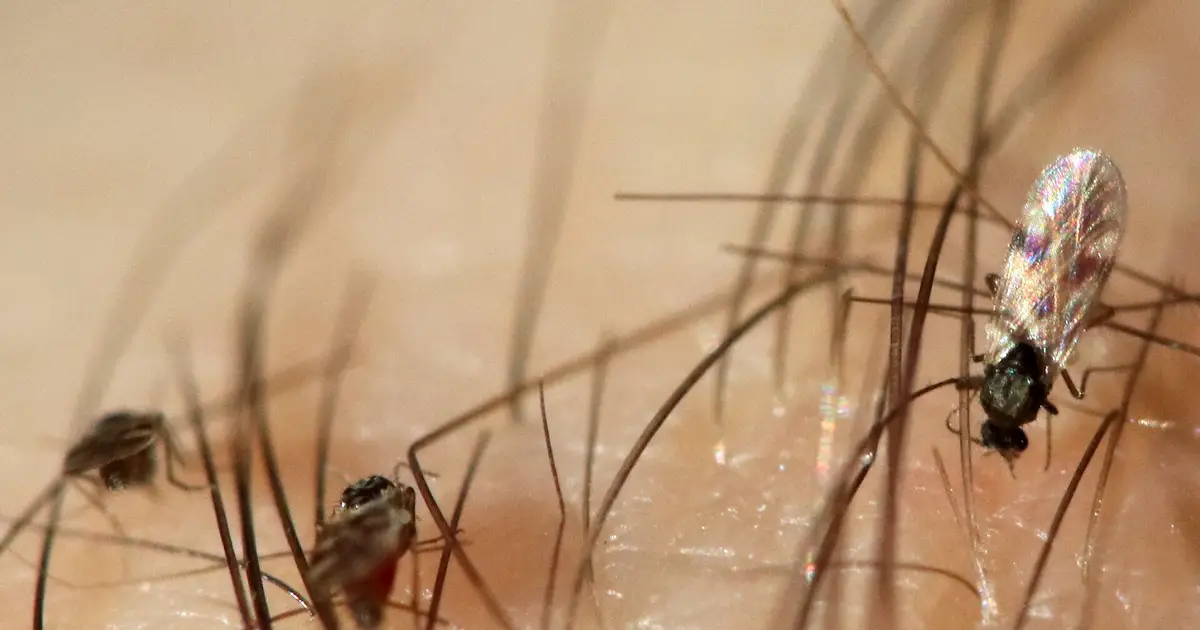

The Highland midge season usually runs from May until the first frosts of autumn, with numbers falling through September. The worst of it, according to a Trees for Life factsheet, comes in July and August, when mass attacks can involve hundreds or even thousands of insects. Exact dates vary from year to year with the weather.
What makes a midge day
You can often predict a bad evening before you get out of the car, because midges are fussy about conditions. The factsheet gives enough detail to plan around.
- Wind
- Above about 5.5 mph (8.8 km/h), midges cannot fly and settle on vegetation. A steady breeze is the best protection there is.
- Light
- They are most active around dawn and dusk. Few bite on a bright sunny day, but on a dull, overcast day they can come out at noon.
- Height
- They are at their most numerous at low levels and seldom found above about 500 metres, where the wind limits them.
- Ground
- Boggy, acid ground suits them, which is why the west and north have the most. They do not generally disperse far from where they breed.
- You
- Females are drawn to dark moving objects, carbon dioxide from your breath, and chemicals in body odour.
Put all that together and you have the classic bad evening: a still, grey dusk in July, in a sheltered glen next to wet ground, with you in a dark jacket, breathing hard after a long walk. Change any one of those and your evening improves.
How to avoid the worst of it
Choosing your place and time does more than anything you can buy. Eat your evening meal indoors or on a breezy shore. If you are wild camping, take a little longer to find an exposed knoll or a spot with moving air, even if it is a less obvious pitch than the sheltered patch by the burn. Keep the tent door zipped when the air goes still.
A few other things are worth having in your pack.
- A head net. It weighs almost nothing, costs little, and it works. Wear it over a cap so that the mesh stays off your face.
- Long sleeves and trousers in lighter colours. These help with ticks too.
- Repellent. There are several on the market. Try one on a short outing first, and follow the label, especially for children.
Smidge, a company that sells repellent, publishes the Scottish Midge Forecast during the season. It goes quiet over winter and returns in spring. Treat it as a useful guide and bear in mind who is producing it.
Some of the best trips avoid the problem altogether. If you have a free choice of dates, May and late September tend to be better bets for a long walk such as the West Highland Way. Going high helps too: the upper half of Ben Nevis will usually be free of them, even when the car park is not.
If you do get bitten
Midge bites tend to be small, itchy and annoying. The NHS advice on bites is to wash the area with soap and water, use a cold pack, and try not to scratch, since that can lead to infection. A pharmacist can suggest treatments for itching, and can help if the skin becomes hot, red, painful or swollen, or there is pus. If symptoms get worse or do not improve, get an urgent GP appointment or call NHS 111. Sudden swelling of the lips, mouth, throat or tongue, or trouble breathing, is a 999 call.

Ticks: smaller problem, bigger stakes
Ticks wait on vegetation and climb onto a passing person or animal. You often will not feel the bite. Some carry the bacteria that cause Lyme disease, which is why it is worth a few minutes' attention after every day on the hill, in woodland or in long grass.
The NHS page on Lyme disease gives the following advice on avoiding bites: cover your skin, tuck your trousers into your socks, keep to clear paths where you can, and use insect repellent on skin and clothing, noting that DEET-based products work best. Light clothes make ticks easier to spot and brush off.
At the end of each day, check your skin, your clothes, your children and your dog. Warm places such as behind the knees, the groin and the armpits are worth a careful look. Tell whoever you are with to check your back and your scalp.
Removing a tick
- Use fine-tipped tweezers or a tick-removal tool, sold by pharmacies, vets and pet shops. Pack one in your first-aid kit before you leave.
- Grip the tick as close to the skin as you can.
- Pull upwards slowly, without squeezing or crushing it.
- Dispose of it, then clean the bite with antiseptic, or with soap and water.
Note the date in your phone. It may help if you feel unwell later on.
When to speak to a doctor
The NHS says to ask for an urgent GP appointment, or to get help from NHS 111, if you have been bitten or have been somewhere with ticks in the past three months and you either feel unwell with flu-like symptoms or have a round or oval rash. Mention your time outdoors, because Lyme disease is treated more easily when it is caught early.
The rash usually appears within one to four weeks, but can take up to three months. It can look like a bullseye on a dartboard, though it can be harder to see on brown or black skin, where it may look more like a bruise. Not everyone gets it, so feeling unwell after a tick bite is reason enough to ask.
This article is general information and does not replace medical advice. If you are worried about a bite or a rash, speak to a pharmacist, GP or NHS 111.
Checked against
We have no commercial link with any source named here. Spotted something out of date? Tell us at [email protected].